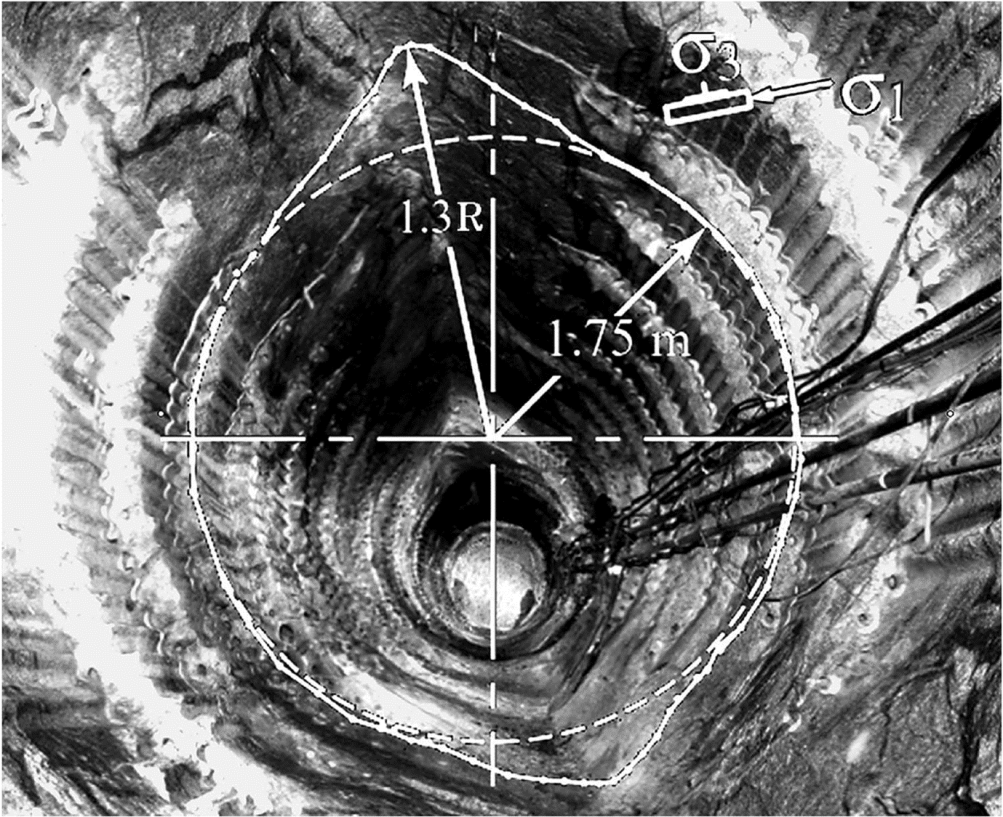
The Underground Research Laboratory (URL) was a revolutionary test site in Canada operated by Atomic Energy of Canada Limited (AECL) from 1985-2003 to study deep geological repositories for nuclear waste. Perhaps the most cited study from the URL is by Martin (1997) documenting the observed excavation damaged zone (EDZ) of a 3.5-m-diameter Mine-by Experiment (MBE) … Read more
Simulation Case Studies
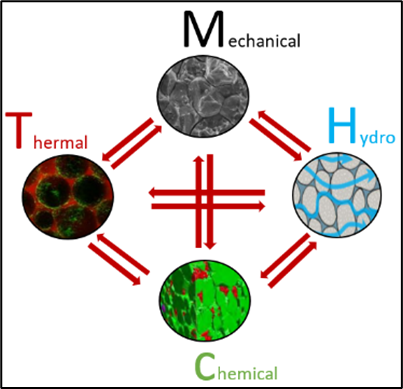
By Uno Mutlu, Director of Business Strategy & Principal Scientist at New England Research Inc. Emerging subsurface engineering applications—from nuclear waste disposal for small modular reactors to geologic hydrogen production, CO₂ sequestration, thermal energy storage, superhot-supercritical geothermal systems, and critical mineral extraction—are poised to redefine our energy landscape. Each technology promises low-carbon, affordable, and secure … Read more
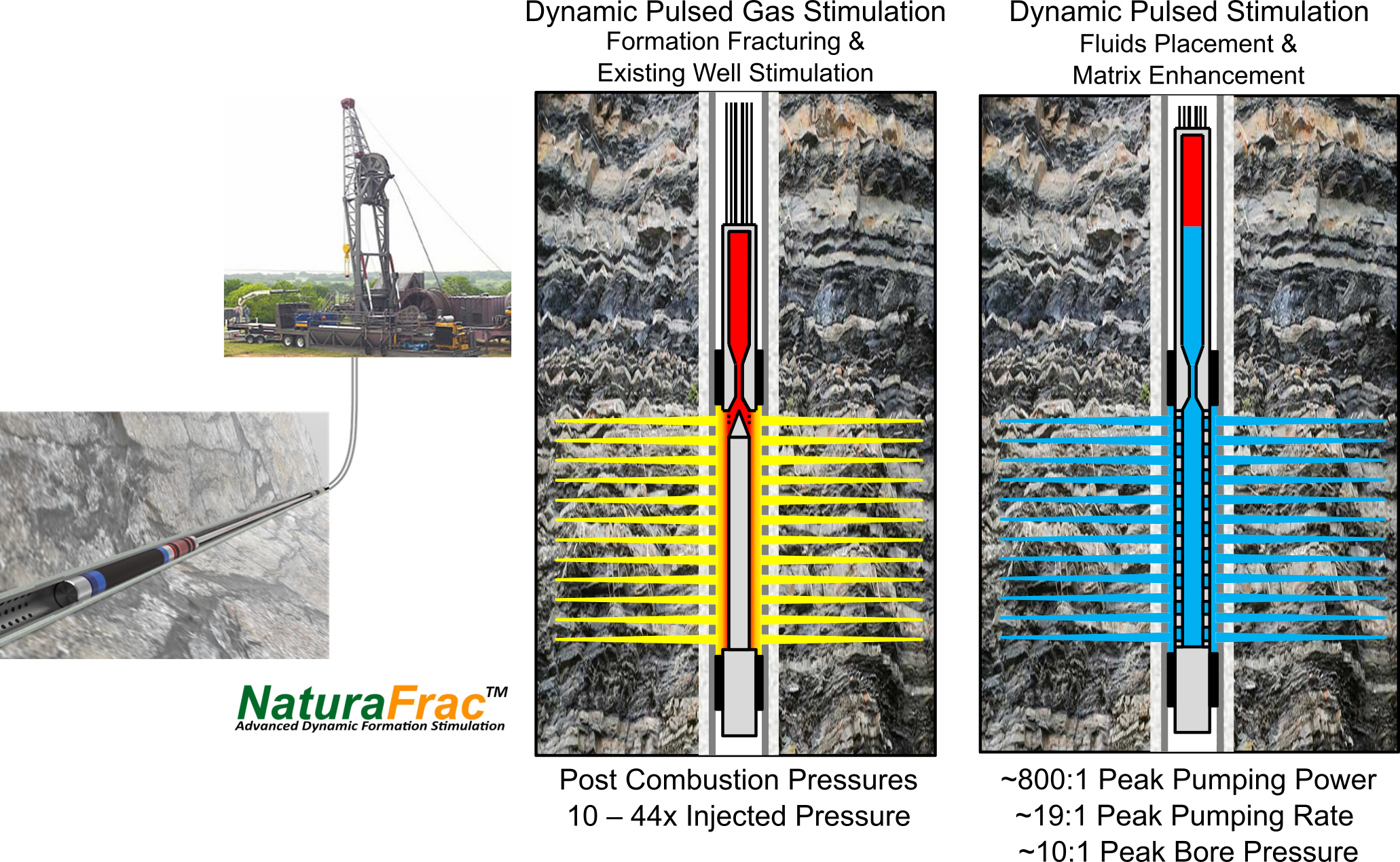
By Jacob Andersen, CEO NaturaFrac Inc. In the ever-evolving field of geomechanics, collaborations between industry leaders are pivotal in driving technological advancements. NaturaFrac’s work with Geomechanica exemplifies how synergistic efforts can lead to significant innovations in rock fracturing technology development. For almost every project with Geomechanica, Dr. Andrea Lisjak (numerical modelling lead and co-founder) has … Read more
Easter Egg decorating and hunting are without a doubt the most popular Easter tradition. Although it’s not 100% clear where it all began, a popular theory about the origin of Easter eggs, according to Carole Levin, professor of history and director of the Medieval and Renaissance Studies Program at the University of Nebraska, eggs were … Read more
This article was originally posted on the Altair website under their Digital Debunking series. Would Jurassic World’s Indominus Rex be powerful enough to crush one of the movie’s gyrospheres with its claws? In collaboration with Altair, we used our Irazu simulation software to find out (we figured it’d be easier than resurrecting a real-life specimen… and … Read more