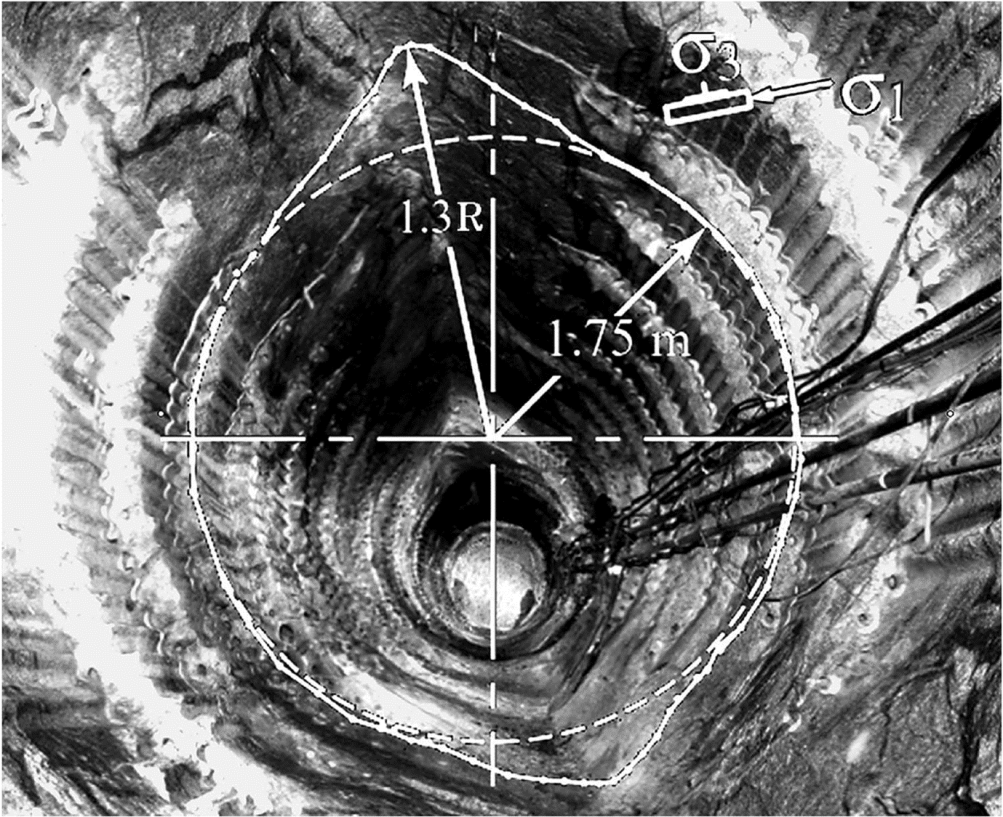
The Underground Research Laboratory (URL) was a revolutionary test site in Canada operated by Atomic Energy of Canada Limited (AECL) from 1985-2003 to study deep geological repositories for nuclear waste. Perhaps the most cited study from the URL is by Martin (1997) documenting the observed excavation damaged zone (EDZ) of a 3.5-m-diameter Mine-by Experiment (MBE) … Read more
Irazu
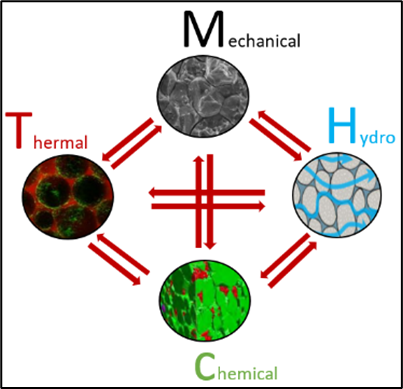
By Uno Mutlu, Director of Business Strategy & Principal Scientist at New England Research Inc. Emerging subsurface engineering applications—from nuclear waste disposal for small modular reactors to geologic hydrogen production, CO₂ sequestration, thermal energy storage, superhot-supercritical geothermal systems, and critical mineral extraction—are poised to redefine our energy landscape. Each technology promises low-carbon, affordable, and secure … Read more
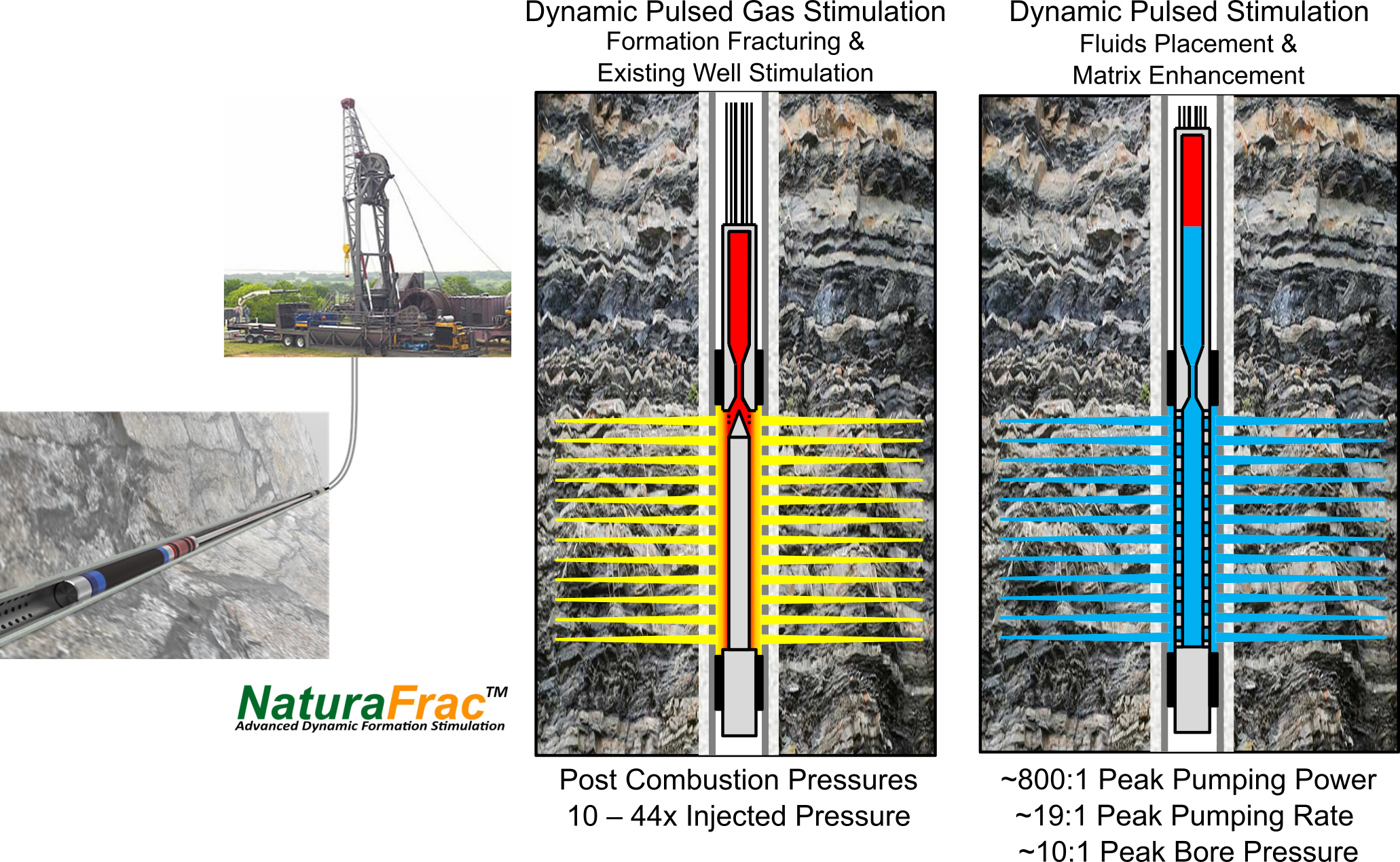
By Jacob Andersen, CEO NaturaFrac Inc. In the ever-evolving field of geomechanics, collaborations between industry leaders are pivotal in driving technological advancements. NaturaFrac’s work with Geomechanica exemplifies how synergistic efforts can lead to significant innovations in rock fracturing technology development. For almost every project with Geomechanica, Dr. Andrea Lisjak (numerical modelling lead and co-founder) has … Read more
With the official release of Irazu 6.2, we are excited to share some of the new features we have been working on over the past year! These new features improve the overall modelling workflow, simplify post-processing of results, and unlock new advanced modelling capabilities. We can’t wait for our users to experience Irazu 6.2 first-hand! … Read more
We are very proud to unveil PyIrazu, a Python module that was developed to interface with Irazu! The goal of PyIrazu is to provide Irazu users a means of manipulating and running input files without relying on the user interface. With PyIrazu, operations such as changing, adding, and/or removing material property sets can be done … Read more