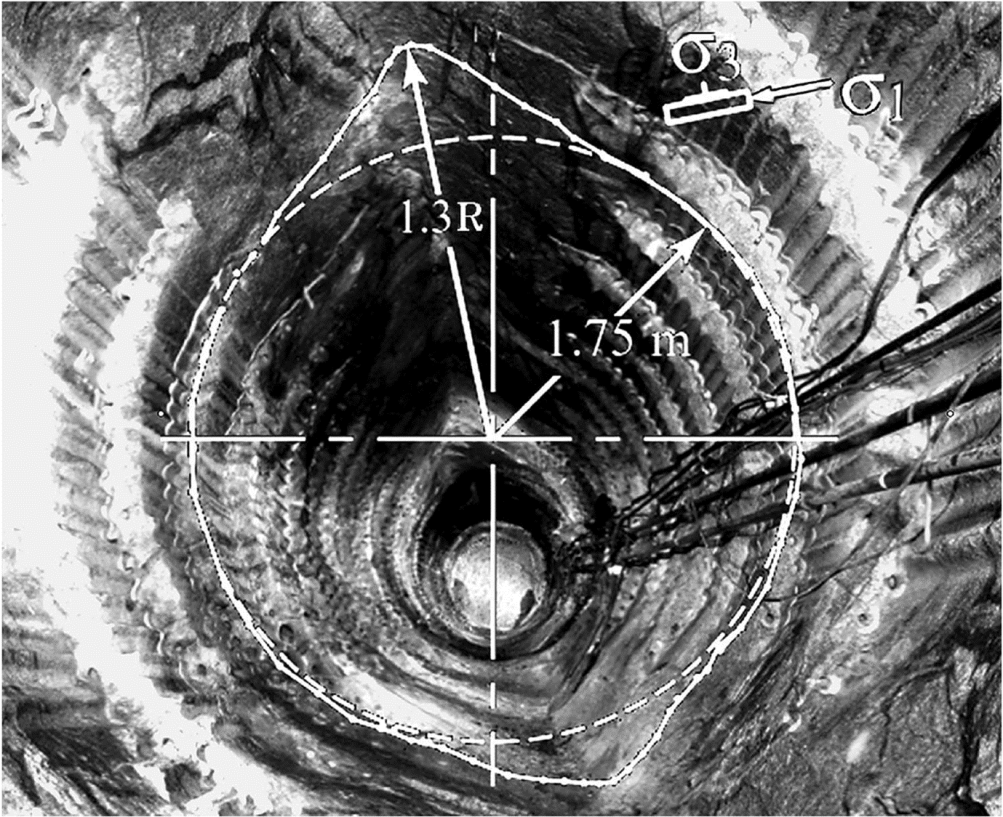
The Underground Research Laboratory (URL) was a revolutionary test site in Canada operated by Atomic Energy of Canada Limited (AECL) from 1985-2003 to study deep geological repositories for nuclear waste. Perhaps the most cited study from the URL is by Martin (1997) documenting the observed excavation damaged zone (EDZ) of a 3.5-m-diameter Mine-by Experiment (MBE) … Read more
With the official release of Irazu 6.2, we are excited to share some of the new features we have been working on over the past year! These new features improve the overall modelling workflow, simplify post-processing of results, and unlock new advanced modelling capabilities. We can’t wait for our users to experience Irazu 6.2 first-hand! … Read more

We are very proud to unveil PyIrazu, a Python module that was developed to interface with Irazu! The goal of PyIrazu is to provide Irazu users a means of manipulating and running input files without relying on the user interface. With PyIrazu, operations such as changing, adding, and/or removing material property sets can be done … Read more

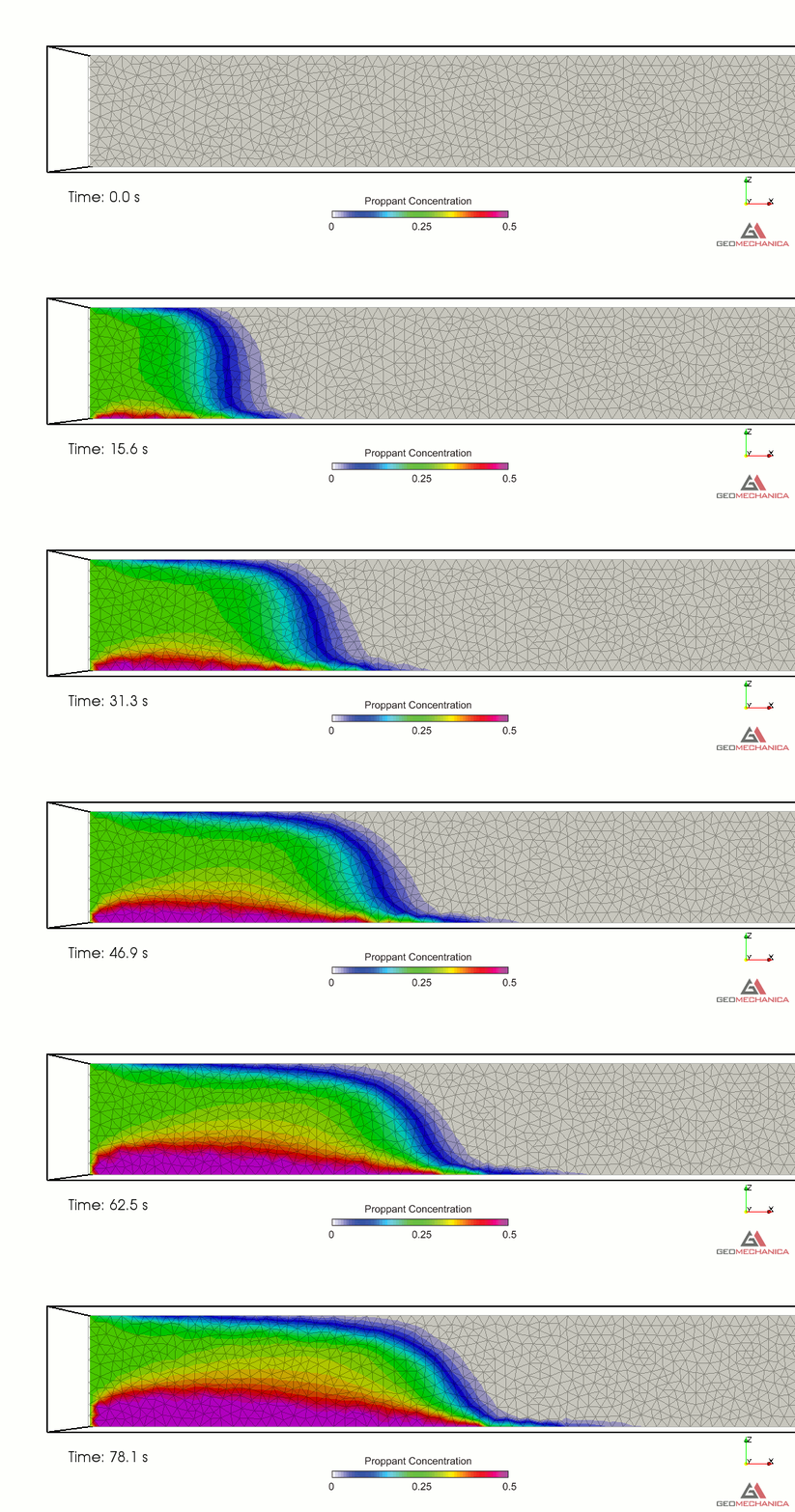
During hydraulic fracturing treatments from horizontal wells, proppant slurries are pumped into the induced fractures to prevent crack closure upon de-pressurization, thus enhancing hydrocarbon recovery. Transport and emplacement of proppant particles may have a strong influence on the rock mass stress re-distribution and hydraulic conductivity of the induced fracture network. Therefore, prediction of proppant injection … Read more

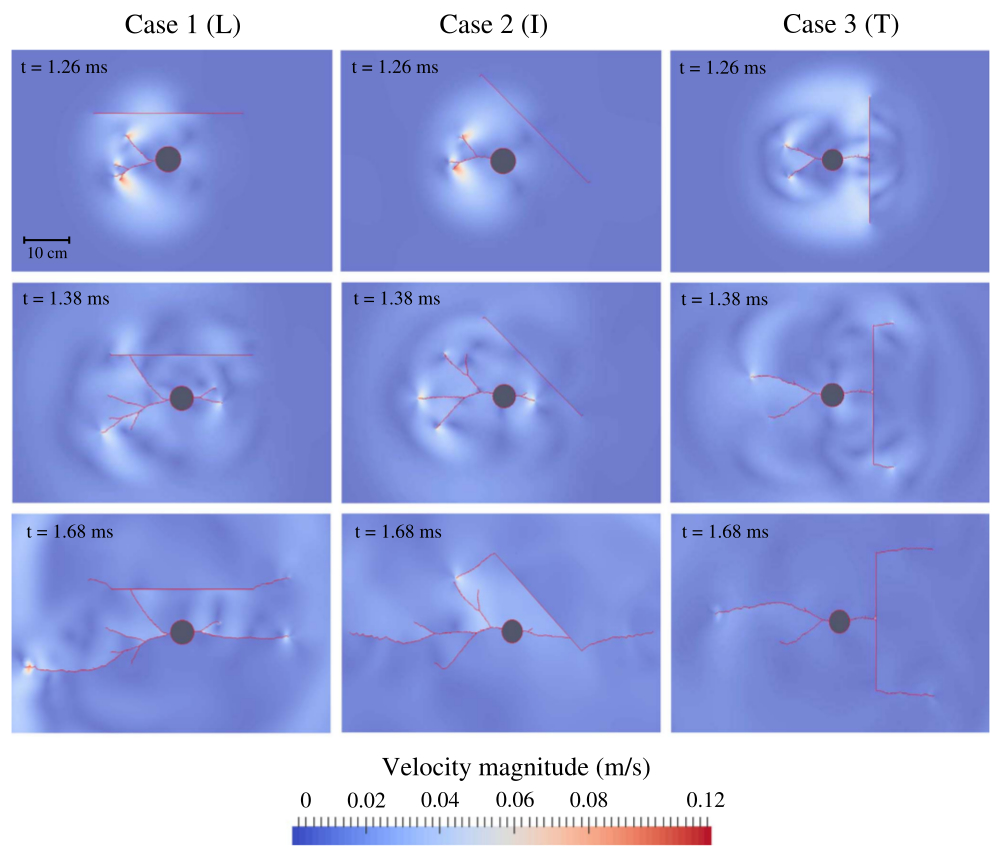
Geomechanica’s guest blog series are written by rock engineering and geomechanics experts. In the second post of these series, we’re showcasing the work of Dr. Murad Abuaisha on “Hydraulic fracturing and induced seismicity by FDEM.” Murad Abuaisha is an assistant professor at the School of Mines (École des Mines – Paris). He has been conducting research on … Read more